Material Care Guide
Designed to Endure
Designed to Endure

Designed to Endure
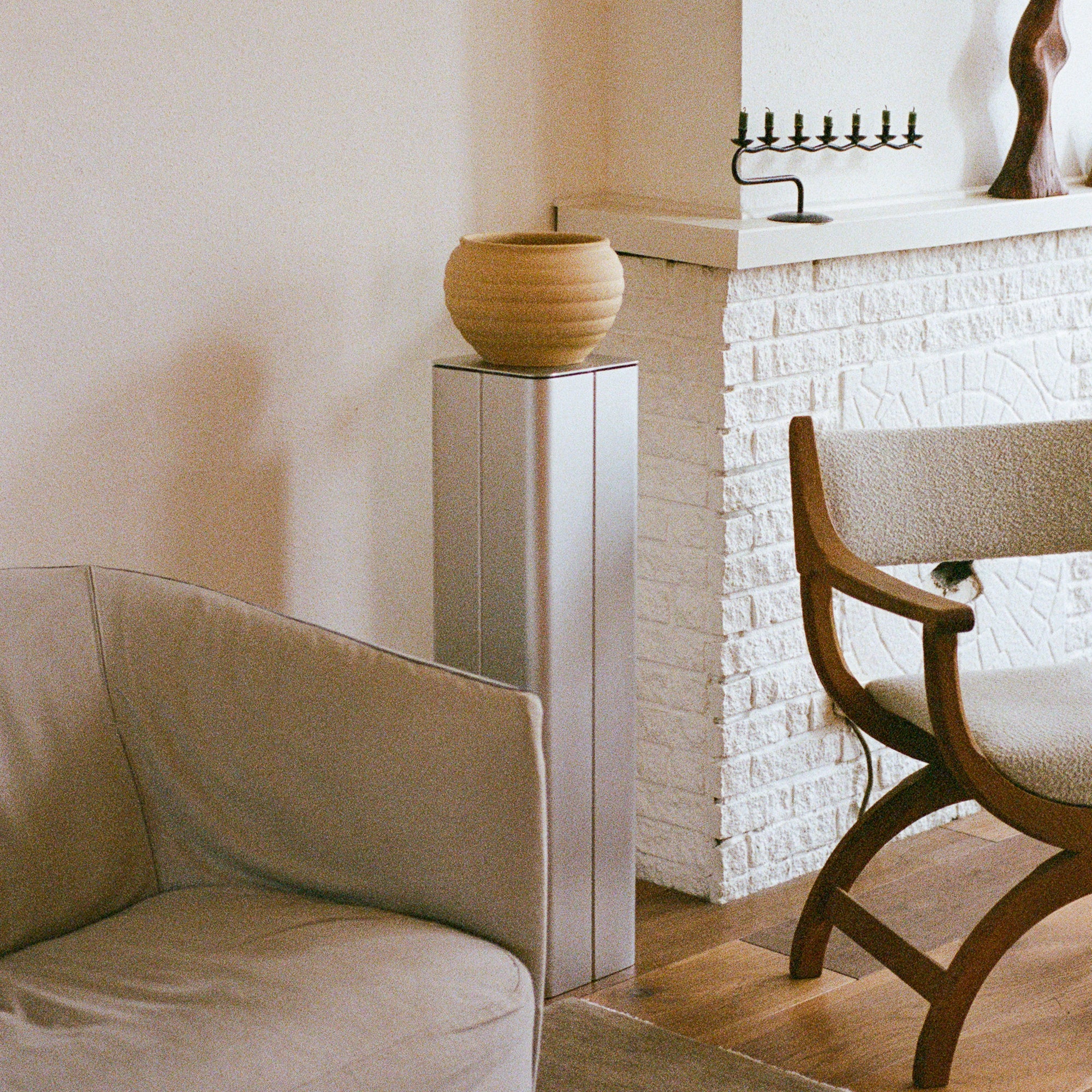
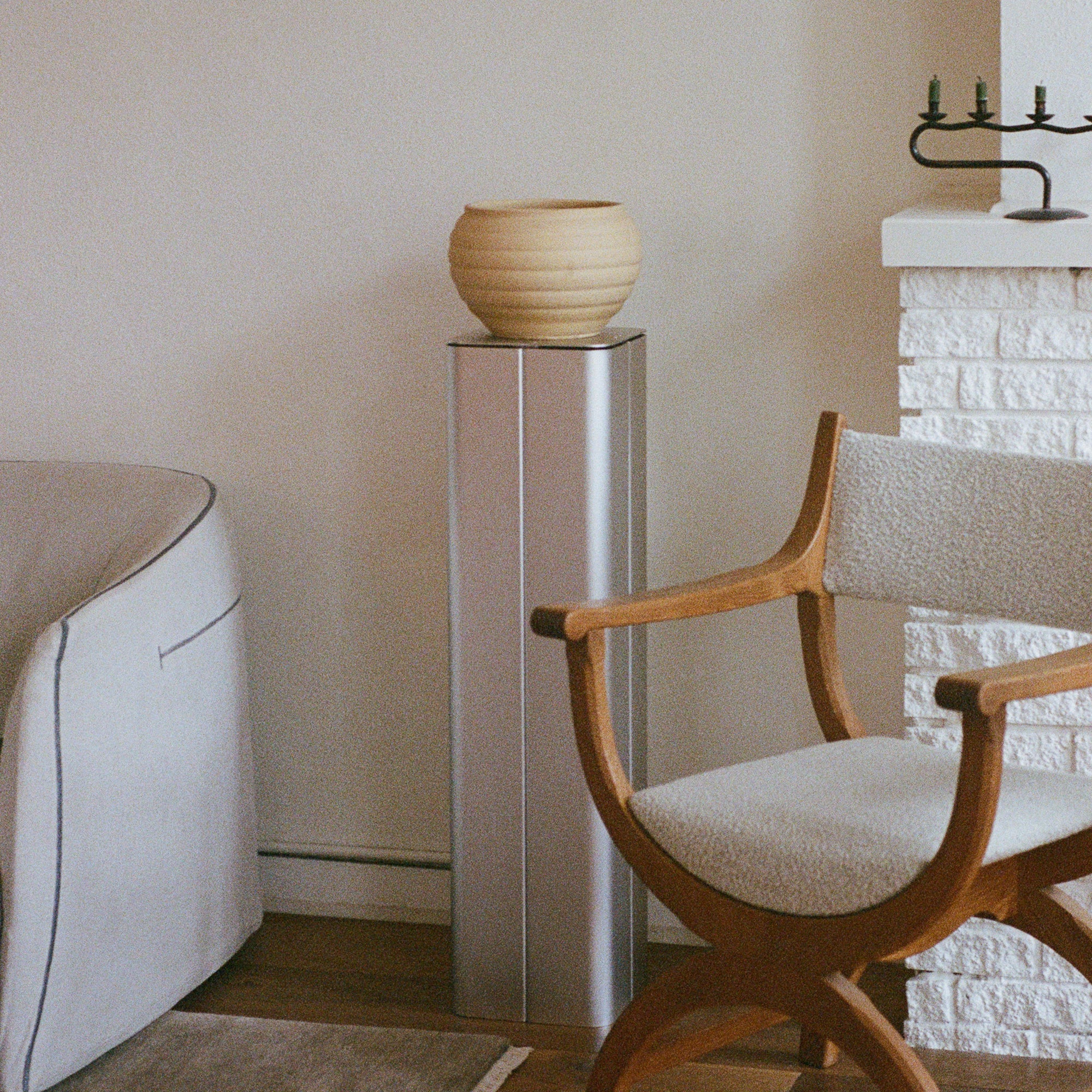
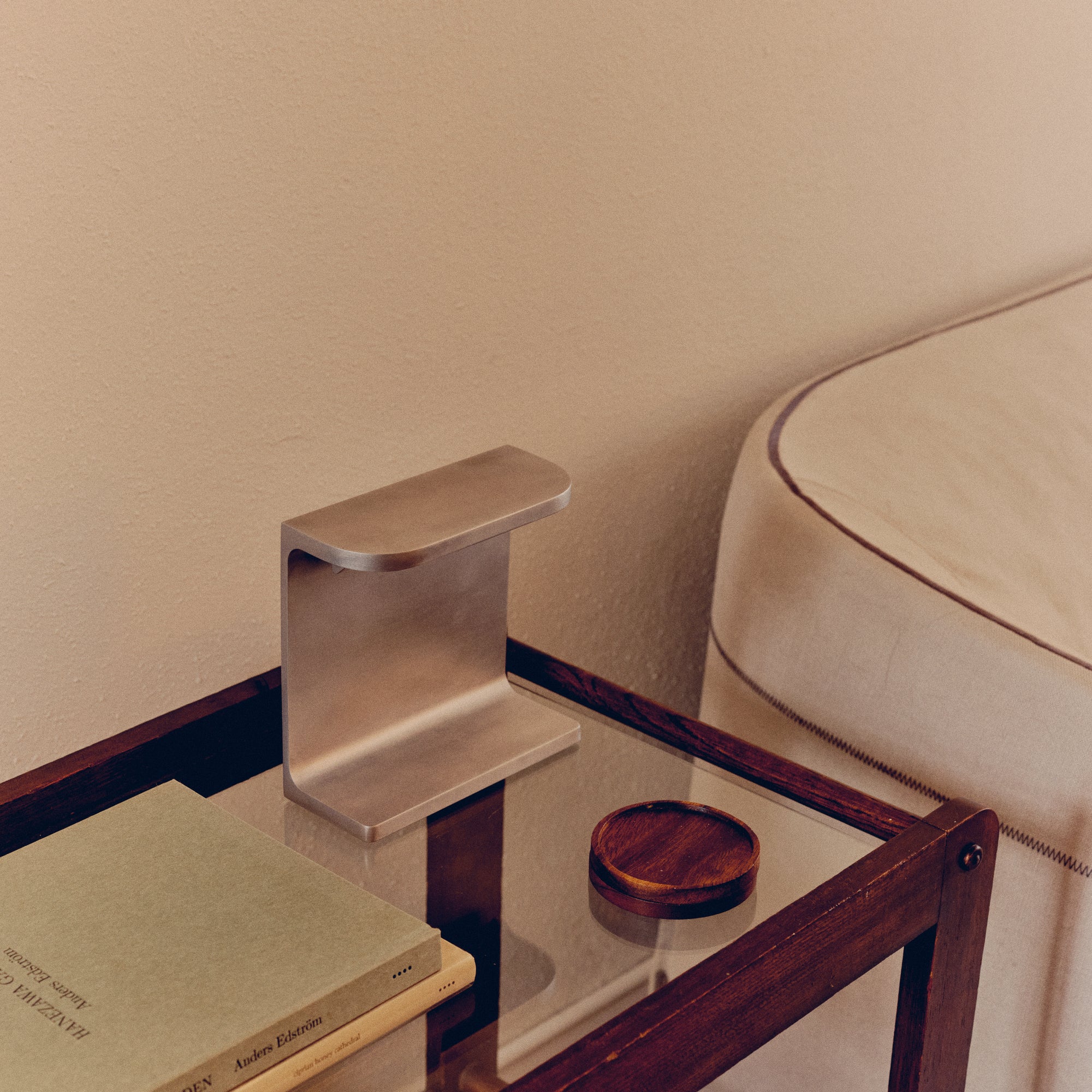
Your PARCTA pieces are crafted from considered materials, selected for their integrity, longevity, and ability to age with character. With gentle, consistent care, each piece will evolve gracefully over time.
Below you’ll find care and maintenance for each material in our collections.

How to Care
-
Hand-finished aluminium is intentionally expressive, allowing subtle variation and a natural patina to develop over time. This evolution is a welcomed part of the material’s character.
Care
- Dust regularly using a soft, dry cloth.
Maintain
- If the aluminium comes into contact with water or other liquids, rinse with clean, warm water and thoroughly dry to prevent spotting.
- Over time, the raw finish will naturally patina and darken slightly. This is expected and will not affect use.
Avoid
- Prolonged exposure to moisture.
- Abrasive pads or harsh cleaning agents, which may scratch or mark the surface.
-
Anodised aluminium is a treated surface, designed to improve durability and resistance to wear, while maintaining a refined finish. Anodising creates a surface three times harder than standard aluminium, preventing and minimising wear and tear.
Care
- Wipe with a soft cloth dampened with warm water and mild soap.
- Dry with a clean, soft cloth to prevent water marks.
Avoid
- Abrasive cleaners or scouring pads
- Strong solvents or acidic products
- Direct UV Exposure over prolonged periods of time
Whilst anodised aluminium is resistant to fingerprinting, marking, or scratching, care should still be taken with anodised aluminium. Use coasters with drinkware and avoid placing other sharp materials directly on the surface.
If using outdoors, it is recommended that all products are kept in undercover areas.
With appropriate care, anodised aluminium will retain its finish and performance for many years.
-
Raw, cast and rumbled aluminium is defined by its tactile finish with subtle surface variation. The rumbling process softens the cast finish, creating a gently textured surface that reflects the honesty of its making. Slight tonal variation, surface movement and natural irregularities are inherent to the material and are not considered defects.
Care
- Wipe with a soft, dry or slightly damp cloth to remove dust or surface residue.
- For heavier build-up, use warm water with a mild soap and dry thoroughly.
Maintain- Over time, raw aluminium may deepen subtly in tone, particularly where exposed to heat, touch or oils. This natural ageing is part of the material’s character and adds depth to the surface.
- To preserve the finish, clean gently and dry after contact with moisture.
Avoid
- Abrasive cloths or scouring pads.
- Harsh or acidic cleaning products.
- Prolonged exposure to standing moisture.
-
Aged brass is hand-patinated to achieve a warm, softened surface with natural tonal variation. Each piece will present slight variations in colour and texture, which are inherent to the patination process and a welcomed part of the materiality.
Care
- Dust regularly using a soft, dry cloth.
Maintain- If the brass comes into contact with water or other liquids, wipe clean using warm water and a soft cloth, then thoroughly dry to prevent water spotting.
- As a living finish, aged brass will continue to subtly evolve over time through use and touch. This natural change is part of the material’s character and is a welcomed reflection of years of enjoyment and use.
Avoid
- Abrasive pads or scouring tools.
- Harsh chemical or acidic cleaners, which may disrupt the patinated surface.
- Polishing products, as these may remove the aged finish.
-
Japanese Kohzo rice paper is a delicate, natural material valued for its texture and softness. It should be handled with care.
Care
- Dust gently using a microfiber cloth, soft brush, or low-pressure air blower.
- Handle with clean, dry hands where possible.
Avoid
- Contact with liquids or moisture
- Compressed air, rough cloths, or abrasive tools
- Direct handling with wet or oily hands
Due to the nature of the material, small variations in texture and surface tone are considered normal, and are a welcomed part of the materiality.
-
Lead-free crystal is chosen for its clarity and strength, offering a refined finish without the use of lead.
Care
- Clean using warm water and a mild detergent
- Rinse thoroughly and dry with a soft, lint-free cloth
Avoid
- Abrasive sponges or harsh cleaning agents
- Sudden temperature changes, which may cause stress to the material or breakage
Handle with care when cleaning to avoid chipping or impact damage.
-
Natural stone is inherently unique, with variations in colour, veining, and surface texture that are part of its character.
Care
- Wipe with a soft, damp cloth for everyday cleaning.
- Dry the surface after cleaning to prevent moisture marks.
Maintain
- Clean spills promptly, particularly acidic substances such as wine, citrus, or vinegar.
- Use protective pads where appropriate.
Avoid
- Acidic or abrasive cleaners
- Leaving liquids to sit on the surface for extended periods
Natural markings and variations are expected and not considered faults.
-
Solid timbers are natural, living materials that respond to their environment. Over time, subtle changes in colour and surface character may occur. Timber should always be cleaned as gently as possible.
Care
- Dust regularly with a soft, dry cloth.
- Clean gently using a slightly damp cloth if needed, then dry immediately.
Maintain
- Protect surfaces from heat and moisture using coasters or placemats.
- Avoid prolonged exposure to direct sunlight or heat sources.
Avoid
- Harsh chemical cleaners or abrasive pads
- Leaving liquids or hot items directly on the surface
Natural movement, grain variation, and ageing are part of solid timber’s character.

General
-
- Avoid prolonged exposure to direct sunlight, heat, or high humidity.
- Lift objects when moving them — do not drag across surfaces.
- Use materials and accessories suited to the surface being protected.
-
Following these care guidelines supports the reasonable use expectations outlined in our Warranty. Natural ageing and material variation are part of the design intent - however, appropriate care helps preserve both appearance and performance over time.